

About the Fall School
Why Agentic AI, Why Now
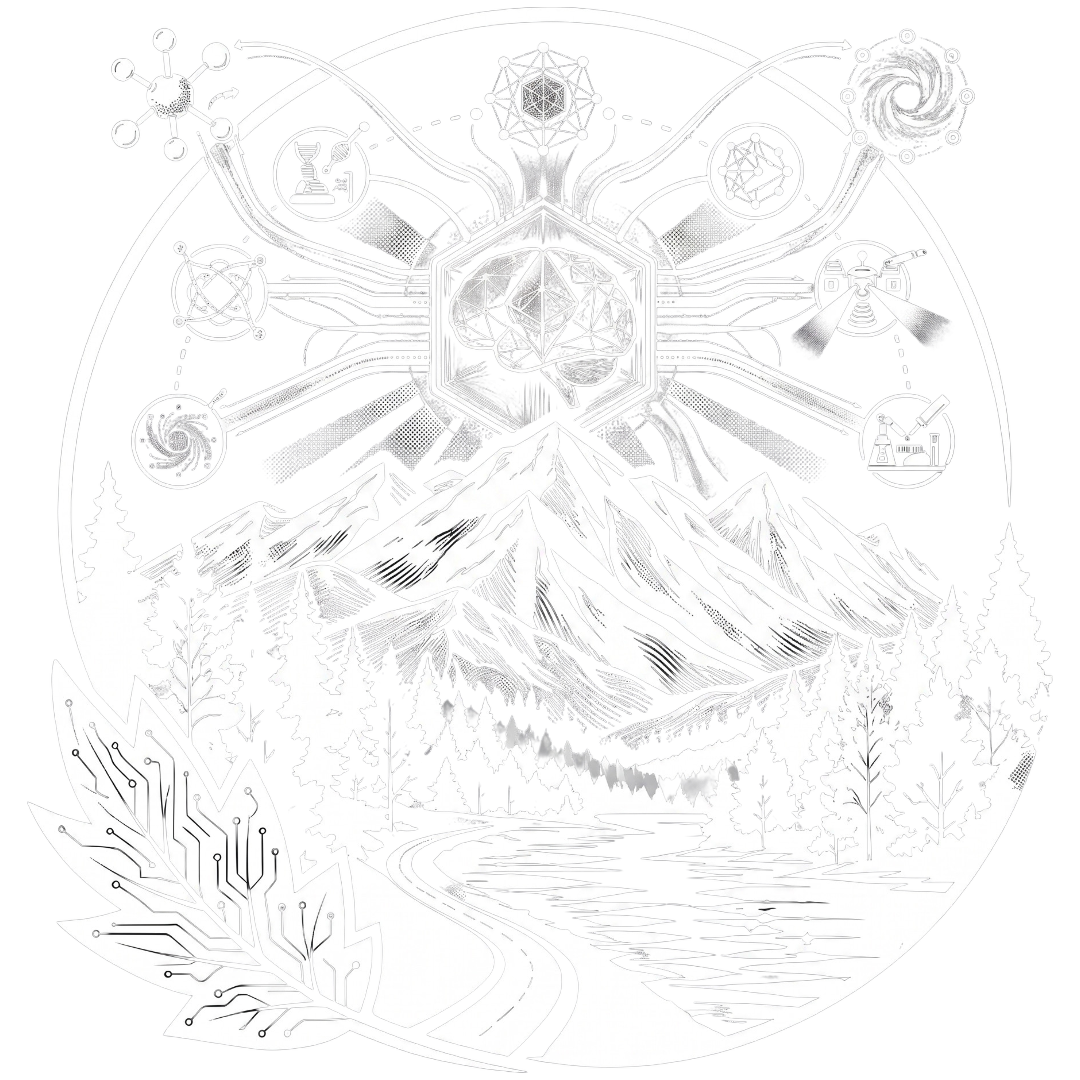
The Schmidt AI in Science Program envisions a future where AI acts as a catalyst for scientific discovery, empowering researchers to transcend traditional limits of data analysis, modeling, experimentation, and prediction. This Fall School explores the next frontier in AI-driven research: Agentic AI—systems that can process information to derive insights, as well as autonomously generate hypotheses and pursue scientific goals. While today's AI tools primarily serve as computational aids, agentic AI represents a paradigm shift toward autonomous, adaptive, and context-aware systems that can meaningfully collaborate with human scientists as subject-matter experts.
This moment is critical: the rise of foundation models and multimodal agents has made autonomous scientific reasoning technically feasible, yet the responsible development and governance of agentic systems is not yet clearly defined. By convening researchers from AI, the natural and applied sciences, engineering, and ethics, this Fall School will help define what it means for AI to function as a scientific agent—both technically and philosophically—while setting the stage for responsible innovation and interdisciplinary collaboration.
What You'll Gain
Our three-day Fall School uses a “train-the-trainer” model: through interactive tutorials and a team-based hackathon, attendees will gain critical agentic AI competencies— building agents, coordinating multiple agents, and implementing guardrails—so they can disseminate these skills at their home institutions. Attendees will also contribute to a public Playbook documenting hackathon projects and results, to be published within 8 weeks of the Fall School's conclusion.
- Develop agentic AI competency: design, interpret, and evaluate agentic workflows for hypothesis generation and data-driven discovery, while maintaining critical oversight and interpretability.
- Foster collaboration: build new networks across Schmidt AI in Science fellows and domain researchers, with potential for joint research proposals exploring the design, deployment, and governance of agentic AI.
- Drive innovation in agentic AI: identify opportunities, risks, and guiding principles for the responsible use of agentic AI in scientific research, and help shape research priorities for the Schmidt AI in Science community.
Hands-On Tutorials
Days 1 and 2 feature four interactive tutorials, each led by a member of the organizing committee, that build the technical foundation for the hackathon.
1 Building a Tool-Using Agent
Implement a minimal agent loop (plan → act → reflect), structured tool calling, and trace logging. Deliver a working agent that completes a multi-step task with auditable execution traces. Led by Ioana Zelko.
2 Reinforcement Learning Agents for Decision-Making
Implement a simple RL agent (e.g., actor–critic or PPO) in a toy environment; connect it to a goal-directed task loop and discuss reward design, credit assignment, and online vs. offline RL. Led by Amey Pore.
3 Model Context Protocol (MCP) for Interoperable Tools
Stand up a small MCP server exposing a few tools/resources, connect an MCP client, and run end-to-end tasks; cover practical security basics—permissions, input validation, and least-privilege. Led by Afeez Popoola.
4 Error, Reliability & Coordination for Agentic Systems
Build an evaluation harness (task suite + metrics), add trace-based debugging and guardrails, and implement a lightweight multi-agent pattern (planner/executor/critic) to compare against a single-agent baseline.
Team Hackathon
Over Days 2–3, participants put the tutorials into practice by building an end-to-end agentic system in interdisciplinary teams.
Format
Teams of 3–6 people build an end-to-end agentic system based on their research or project of interest.
Challenge Tracks
- Scientific workflow agent (literature → data → code → report)
- Tool-integrated operations agent (via MCP)
- Multi-agent “review board” (planner/executor/critic)
- RL-driven decision agent in a simulated environment
Requirements
Each project must incorporate at least two tutorial components (e.g., tool use + evaluation; MCP + guardrails; RL + multi-agent coordination) and produce a reproducible artifact (code, run instructions, and logs/traces).
Deliverables
A short live demo, a 2–4 page project write-up, and a public (or shareable) repository including evaluation results and failure-analysis examples.
Evaluation & Awards
Projects are evaluated by the organizing committee using a simple rubric: task success, reliability (evaluation/guardrails), clarity of traces/observability, and reproducibility. All teams receive awards reflecting their strengths, achievements, and challenges overcome.
Who Should Apply
We anticipate 32 total attendees: 5 organizing committee members, 2 University of Toronto staff, and 25 competitively selected participants. Building on the composition of the 2025 Foundation Models workshop, we anticipate participants from the University of Toronto, the United States, the United Kingdom, and Singapore.
Applicants will be evaluated based on:
- Prior knowledge of agentic AI research
- Planned usage of agentic AI in their own research
- A technical skill set including strong coding, software engineering, and high-performance computing experience
For questions, please contact us.
Fall School Schedule
Times are shown in Toronto local time (Eastern Time).
Board bus in Toronto
Arrive at resort
Dinner
At resort
Breakfast
Opening Remarks
Tutorial 1 — Agent Foundations
Guest Speaker (Remote) — Dr. Oliver Bogler
Snack/Coffee Break
Team Assignments; I. First Github Push
Lunch
Tutorial 2 — Reinforcement Learning Agents
Group Work
Snack/Coffee Break
Group Work; II. 1-Page Spec (5:00 PM)
Dinner @ Firehall Pizza
At resort
Tutorial 3 – Model Context Protocol
Lunch
Tutorial 4 – Errors, Reliability & Coordination
Guest Speaker – Dr. Logan Ward
Milestone III: Baseline Pipeline Due
Dinner
Breakfast
Group Work
Snack/Coffee Break
Group Work; IV. Evaluation Script (11:00 AM)
Lunch
Group Work; V. Demo Script
Guest Speaker (Remote) — Journalism & Science Communication
Snack/Coffee Break
Prepare Presentations
Team Presentations; Awards (toward end)
Dinner; Closing Remarks (8:00 PM)
At resort
Breakfast
Board bus at resort; travel to Toronto
Arrive in Toronto
Toronto hotel
Board Bus from Toronto to Resort
Arrive at Resort
Dinner
Dinner
At Resort
Breakfast
Breakfast
Opening Remarks
Tutorial 1: Agent Foundations
Guest Speaker (Remote): Dr. Oliver Bogler
Snack/Coffee Break
Team Assignments — Milestone I: First GitHub Push
Lunch
Tutorial 2: Reinforcement Learning Agents
Group Work
Group Work
Snack/Coffee Break
Group Work
Group Work — Milestone II: 1-Page Spec
Dinner at Firehall Pizza
Dinner at Firehall Pizza
At Resort
Breakfast
Breakfast
Tutorial 3: Model Context Protocol
Snack/Coffee Break
Group Work
Group Work
Takeout Lunch and Gondola Ride
Takeout Lunch and Gondola Ride
Tutorial 4: Errors, Reliability, & Coordination
Tutorial 4: Errors, Reliability, & Coordination
Snack/Coffee Break
Guest Speaker (Remote): Dr. Logan Ward
Group Work
Group Work — Milestone III: Baseline Pipeline
Dinner
Dinner
At Resort
Breakfast
Breakfast
Group Work
Snack/Coffee Break
Group Work
Group Work — Milestone IV: Evaluation Script
Lunch
Group Work — Milestone V: Demo Script
Guest Speaker (Remote): Journalism & Science Communication
Prepare Presentations
Snack/Coffee Break
Prepare Presentations
Team Presentations
Team Presentations and Awards
Dinner
Dinner and Closing Remarks
At Resort
Breakfast
Breakfast
Board Bus from Resort to Toronto
Arrive in Toronto
Toronto Hotel
Logistics
Venue: Blue Mountain Resort
This Fall School will be held at the Blue Mountain Resort in Ontario, Canada—a scenic, peaceful setting about a two-hour drive from downtown Toronto. We selected Blue Mountain for its scenic views, tranquil environment, and outdoor recreation opportunities, allowing attendees to focus on forming strong collaborations and professional networks over three days, away from everyday distractions. The resort package includes guest accommodation, meals, social activities, and full conferencing facilities and A/V. All dietary and accessibility needs will be accommodated.
Travel & Transportation
All attendees will arrive in Toronto by Sunday afternoon (Day 0). Anyone arriving a day early on Saturday (Day −1) will be offered hotel accommodation in Toronto for that night.
Chartered bus transportation to and from Blue Mountain Resort will be provided on Sunday afternoon (Day 0) and Thursday morning (Day 4). A limited number of international attendees who must depart on Friday will be offered hotel accommodation in Toronto for Thursday night (Day 4).
Two University of Toronto staff members will be onsite throughout the Fall School to provide operational and logistical support beyond what the Blue Mountain Resort staff offer.
Participants are responsible for arranging and funding their own travel to and from Toronto.
International Travel: Participants traveling from outside Canada may need a valid passport and either a visa or an Electronic Travel Authorization (eTA), depending on citizenship. Please consult Immigration, Refugees and Citizenship Canada (IRCC) for travel requirements and take appropriate steps. The organizers can provide an invitation letter for visa purposes—please reach out if a letter is needed.
Accommodation & Amenities
The Blue Mountain Resort package includes guest accommodation, all meals, and a full social program alongside conferencing facilities and A/V support. Social activities include mini golf, pottery classes, and hiking, giving attendees plenty of opportunities to unwind and connect between sessions.
All dietary and accessibility needs will be accommodated—please let us know your requirements when you apply.
Organizers
Contact Information
For all conference-related questions and communications, please contact us at: contact@ai-for-science.org.
Organizing Committee
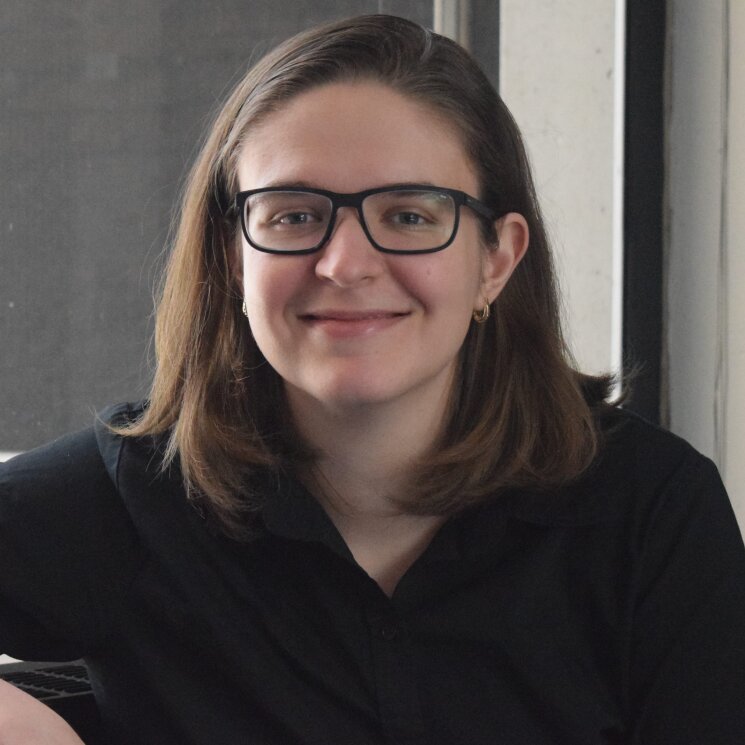
Ioana A. Zelko
Schmidt AI in Science Postdoctoral Fellow · Leads Tutorial 1 (Agent Foundations)
Department of Astronomy and Astrophysics
University of Toronto

Amey Pore
Schmidt AI in Science Postdoctoral Fellow · Leads Tutorial 2 (Reinforcement Learning)
Robotics
University of Toronto
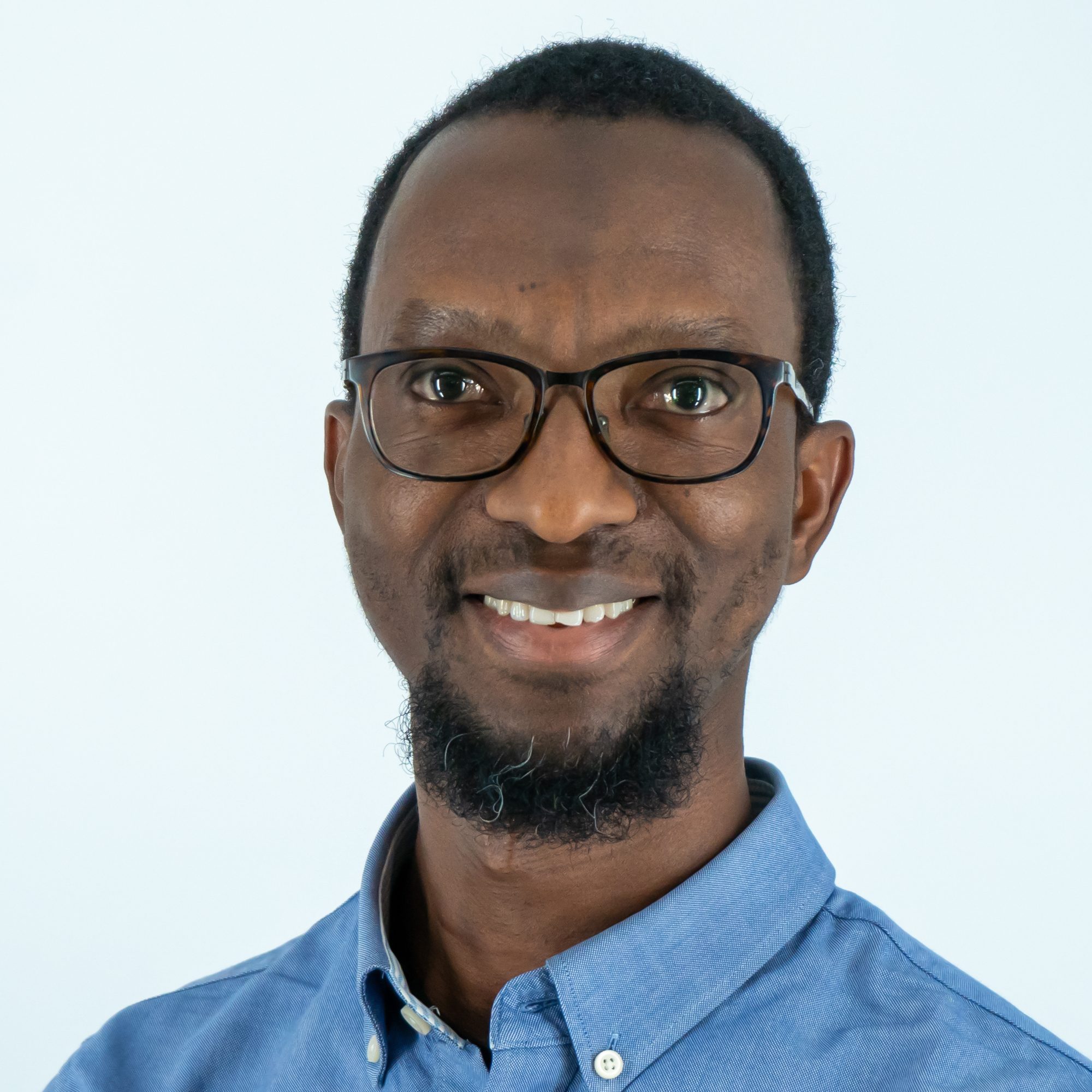
Afeez Popoola
Schmidt AI in Science Postdoctoral Fellow · Leads Tutorial 3 (Model Context Protocol)
Department of Earth Sciences
University of Toronto
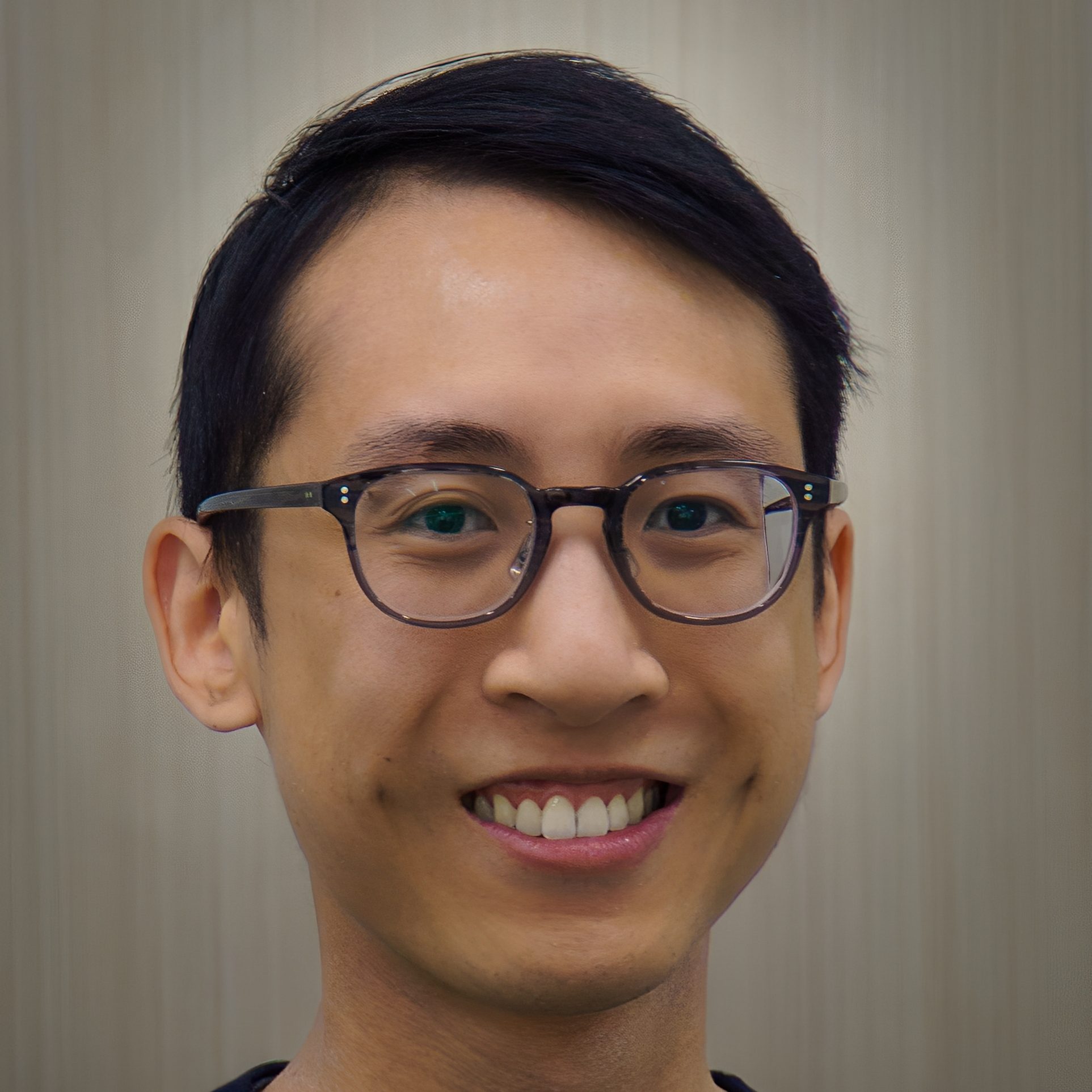
Ryan C. Yeung
Schmidt AI in Science Postdoctoral Fellow · Leads Tutorial 4 (Errors, Reliability & Coordination)
Department of Psychology
University of Toronto
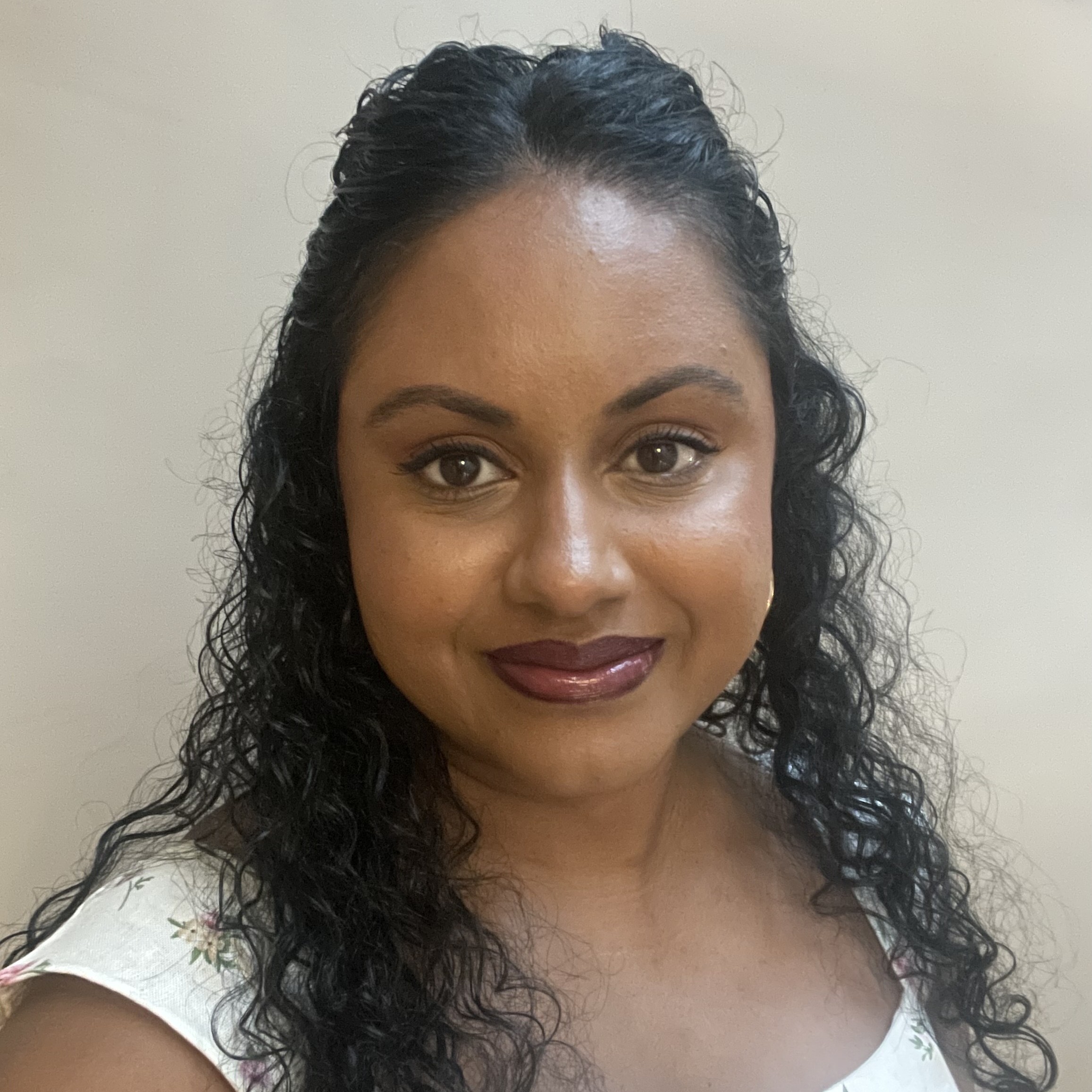

Lavika Chopra
Schmidt Communications & Events Coordinator
University of Toronto
Acknowledgments
This Fall School is proposed as a Community Initiative Fund (CIF) event of the Schmidt AI in Science Program, sponsored by Schmidt Sciences in partnership with the University of Toronto.